
Shade Grown Coffee
Directed by
Coffee is grown in the most biologically diverse areas of the world in a belt around the equator; generally in places where halting the rapid deforestation plays a significant role in minimising the negative consequences of climate change. Most coffee is grown as a mono-crop, often with little to no regard for its soil, local surroundings or people working in the farms. Thankfully, coffee can be produced in a truly sustainable way under the canopy of native trees in the tropics, protecting critical habitat for wildlife and providing a host of ecological and economic benefits to the environment and the farmer at the same time. Shade Grown Coffee provides insight into the coffee-making process, all the way from harvesting the ripe cherries to preparing the perfect cup of coffee. Passionate coffee farmers, roasters and baristas from around the world show how we can all enjoy a more sustainable cup – and a brighter tomorrow. A documentary film for coffee enthusiasts and nature lovers alike, Shade Grown Coffee aims to deepen the viewers’ understanding of their roles as consumers and appreciation of their next cup of coffee.
I’m happy to help improve information about sustainable coffee with my images of fantastic places. The gist of my exploration is that everything we do as human beings has wide-ranging consequences for others and for nature. We are all connected. And once you see the beauty in this, you realize that true change is possible.
In-depth analysis
About the Movie Shade Grown Coffee
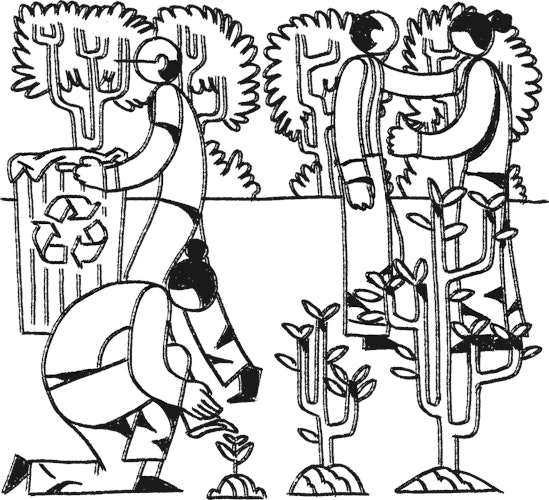
With shade growing the plant receives no more than two hours of direct sunlight a day. It differs from half-shade growing (from two to four hours) and the growing of single plants (from two to four hours). It is a method that makes it possible to save water and cut the use of fertilizers insofar as the organic matter deposited by the trees fertilizes the soil naturally and keeps it damp, reducing the water requirement to a bare minimum. Growing coffee in the shade thus means using fertilizers, insecticides and other toxic substances. All this prolongs the life of the plantation and improves the quality of the product. By combining shade growing with that of multifunctional plants, the environmental sustainability of production and the protection of product quality are harmonized with social sustainability. Multifunctional plants, in fact, are plants that can meet more than one need at once: they can provide food in the form of fruit and vegetables, firewood to produce heat and energy, and deposit organic matter in the soil to keep it fertile. In the case of coffee cultivation, multifunctional plants that are taller than the coffee plants provide the latter with protection from direct sunlight.
Gallery


Media Download
Poster
High Resolution Images
Pressbook


Sostenibility









Funded by the European Union. Views and opinions expressed are however those of the author(s) only and do not necessarily reflect those of the European Union or the Creative Europe Media Program. Neither the European Union nor the granting authority can be held responsible for them.