
Océans, le Mystère plastique
Directed by
Only 1% of the plastic floating in the oceans washes up on beaches or is trapped in Arctic ice. Of the remaining 99%, estimated at hundreds of thousands of tons, we still know too little. A sort of black hole that reveals an ecological tragedy. Most plastic never deteriorates but simply breaks down into smaller and smaller toxic particles invisible to the human eye, creating a new ecosystem: the plastisphere. There is an urgent need to investigate the phenomenon and its consequences: where do the particles go? Ingested by organisms or buried under the ocean floor? And what is their potential impact on the food chain?
tag
In-depth analysis
About the Movie Oceans: The Mystery of the Missing Plastic
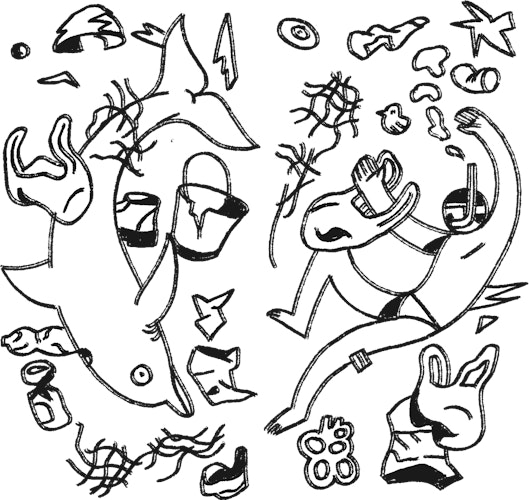
Plastic bottles and bags, balls, shoes, packaging materials – if we fail to dispose of refuse properly, sooner or later it ends up in the sea. This non-biodegradable material is swallowed by animals, obstructing their digestive tracts, consequently blocking their respiratory tracts and preventing them from eating food. It is estimated that 4.8 to 12.7 million tons of waste plastic end up in the sea every year. In seas and rivers, it is also possible to find microplastics, produced by tire abrasion, washing synthetic fabrics and the disintegration of waste plastic. Small particles of plastic material are also added to cosmetics such as skin creams, scrubs, shower gels and shampoos, entering seas and rivers in sewage. Fishers sometimes contribute to the problem when they lose their nets in the open sea or simply throw broken nets off their boats. Whales, dolphins and other marine animals get trapped in them and, suffering atrociously, die by suffocation.
Until the 1970s, the oceans were simply regarded as a dumping ground where virtually anything – including pesticides, chemical weapons and radioactive waste – was “disposed of.” It was reckoned that the oceans were vast enough to dilute enormous quantities of chemical substances and render them harmless. In actual fact, the toxic substances have never disappeared, in fact they make their way back to humans, sometimes in concentrated form, through the food chain. The Mediterranean holds a sad record for plastic pollution, being the ecosystem most threatened by microplastics in the world. Up to 1.9 million fragments have been found on just one square kilometer of its bed, the highest level ever recorded. This means that albeit accounting for only 1% of the world’s water, the Mediterranean, contains about 7% of its microplastic waste. If the trend is not reversed, by 2050 there will be more plastic in the oceans than fish. (Excerpt from WWF report)
Gallery


Media Download
Poster
High Resolution Images


Pollution








Funded by the European Union. Views and opinions expressed are however those of the author(s) only and do not necessarily reflect those of the European Union or the Creative Europe Media Program. Neither the European Union nor the granting authority can be held responsible for them.